
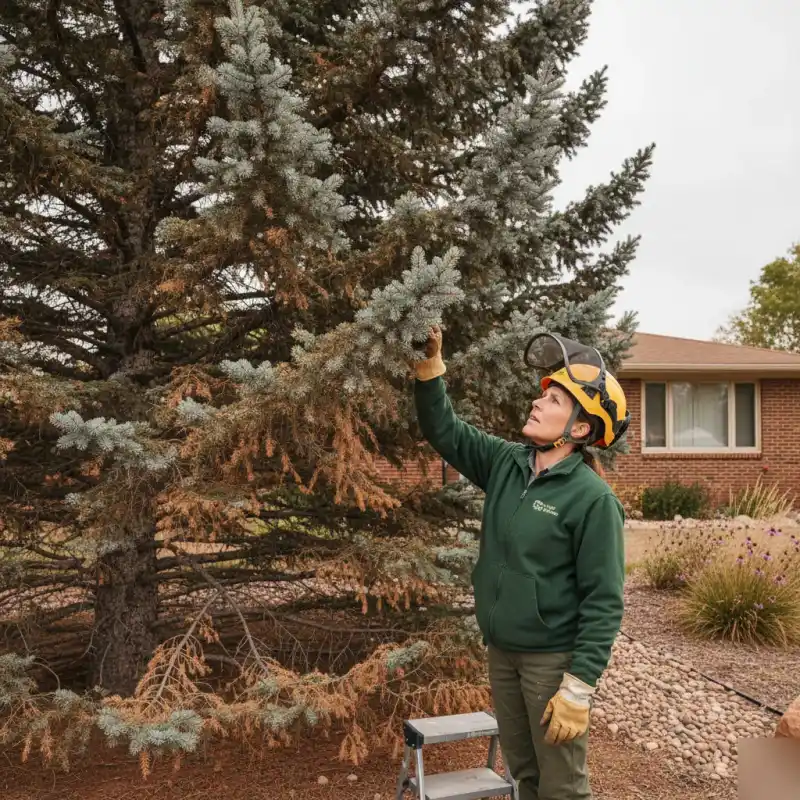
Tree Health Maintenance in Denver Spot Trouble Before It Spreads
Licensed, fully insured, and serving all of Denver and the surrounding areas.
Reading the Signs of a Stressed Tree in Denver
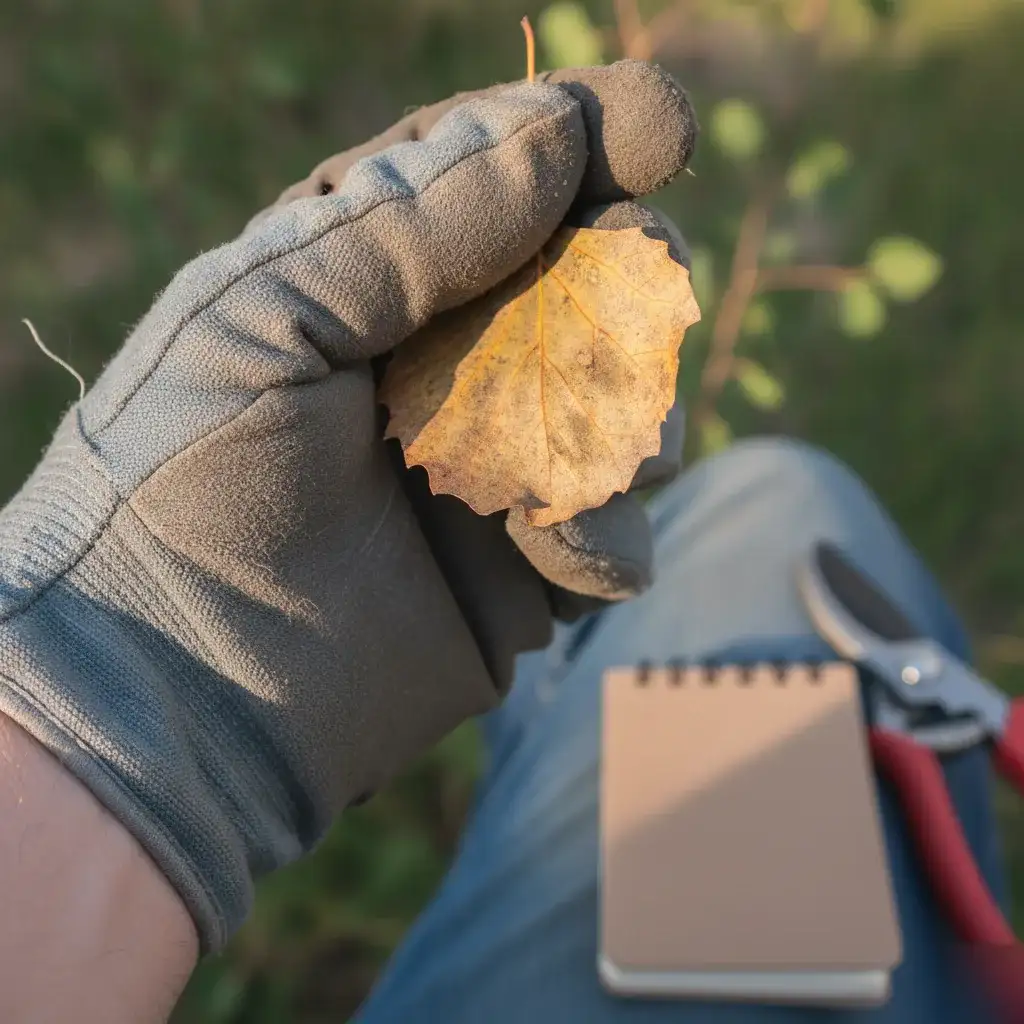
A stressed tree doesn't scream for help. It whispers, and most homeowners miss it until the whisper turns into a falling branch. We walk properties every week where the owner had no idea anything was wrong until we pointed it out.
Denver's clay-heavy soil and dry summers put a lot of strain on trees that weren't built for it. Front Range trees deal with swings from ninety-degree heat to a sudden freeze in the same week, and that kind of stress shows up slow. Ash trees around Denver carry an extra risk right now, thinning canopies and bark splitting can point to emerald ash borer damage, not just drought.
Here's what we tell clients to watch for:
- Leaves that are smaller than normal, or that turn color and drop early in the season
- Bark that's cracking, peeling, or missing in patches
- Dead branches near the top of the canopy while the bottom still looks fine
- Fungus or mushrooms growing at the base of the trunk
- Sap or sawdust piles near the trunk, a sign something's feeding inside
Not sure if what you're seeing is normal seasonal shedding or a real problem? That's a fair question, and it's one we get all the time. A tree dropping leaves in October is fine. A tree dropping leaves in June is not.
Nine times out of ten, the tree that finally falls gave warning signs for a full year before it happened. Thin canopy this spring, a few dead limbs by summer, then a storm in August finishes the job. Catching it in spring changes everything about what we can do to save it.
When Your Tree Doesn't Need Treatment Yet

Not every yellow leaf means trouble. That's the truth, and we'd rather tell you now than send someone out to bill you for nothing.
Deciduous trees around Denver drop color early some falls, especially after a dry August. A honeylocust or ash going gold in September isn't sick, it's reading the calendar. Same goes for a few dead twigs way up in the crown of an older cottonwood. That's normal shedding, not decline. Every mature tree carries some deadwood. It's how they grow.
Here's a simple gut check before you call anyone out. Look at the whole tree, not one branch. Is the trunk solid, no cracks or oozing? Is most of the canopy still full and green in season? Did the tree leaf out fine this spring? If you answered yes to those, you're probably looking at a tree that just needs to be left alone, maybe with a light prune down the road.
We get calls from folks near City Park worried about oak leaves curling in July heat. Nine times out of ten it's just heat stress from a hot dry stretch, not disease. The tree bounces back once temperatures drop and it gets a good soak.
So when do you need us? When the decline is spread across the whole canopy, when it's new this year and getting worse fast, or when you're seeing dieback on the south side while the rest looks fine, that uneven pattern usually points to a real problem worth a look. If your tree's just going through its normal seasonal moods, save your money and enjoy the yard.
Have questions? We're happy to help.
Call (303) 949-6818Call now for a free estimate. Arbor Care Tree Solutions is ready to help.
What Happens During a Professional Tree Health Assessment
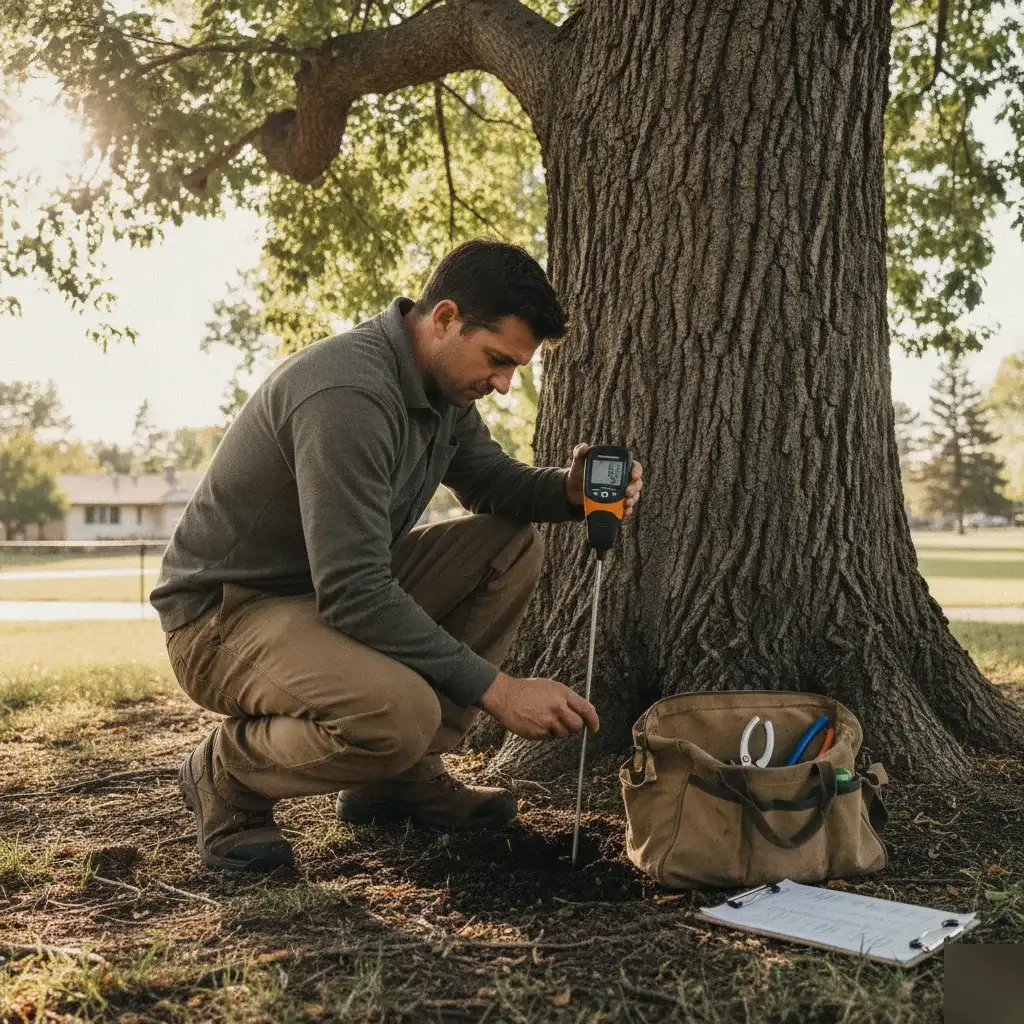
Here's what happens when we walk your property for a tree health assessment. We're not just looking at the tree, we're looking at the whole picture, the soil around it, the grade of your yard, what's been planted nearby.
Thomas Fraser has done this for 30 years, and the process follows a pattern that works:
- Walk the full canopy from multiple angles, checking for dead limbs, thinning foliage, or lopsided growth
- Check the trunk for cracks, cankers, oozing sap, or bark that's peeling in odd patches
- Inspect the root flare and soil line for fungus, girdling roots, or soil piled too high against the trunk
- Test branch flexibility and check for deadwood that could drop in a windstorm
- Look at nearby trees and structures for signs of shared stress, root competition, or construction damage
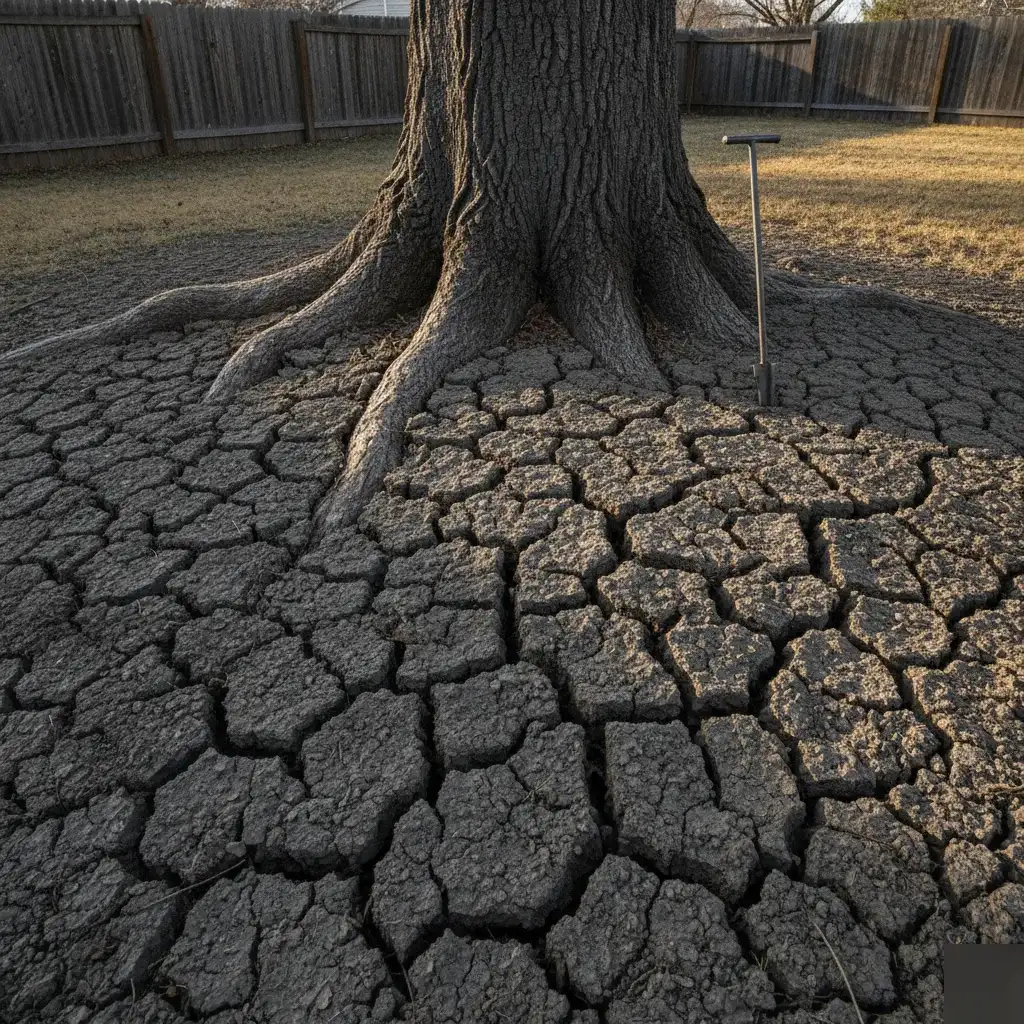
Denver's clay-heavy soil compacts fast, especially in yards that got regraded during a remodel. That compaction chokes roots slowly, over years, and by the time the canopy shows it the tree's already stressed hard.
We also check for pest and disease patterns common around here. Ash trees get flagged for borer activity, evergreens get checked for needle cast, and anything near a sprinkler line gets a look at root rot risk. It's not guesswork.
An ISA Certified Arborist reads these signs against real tree biology, not a checklist someone printed off the internet. That's the difference between a health assessment and someone just eyeballing your yard from the truck.
Most assessments take under an hour. You'll get a straight answer on what's going on, what it means for the tree, and what your options are, no pressure, no upsell games.
Pest and Disease Treatment as Part of Ongoing Health Care
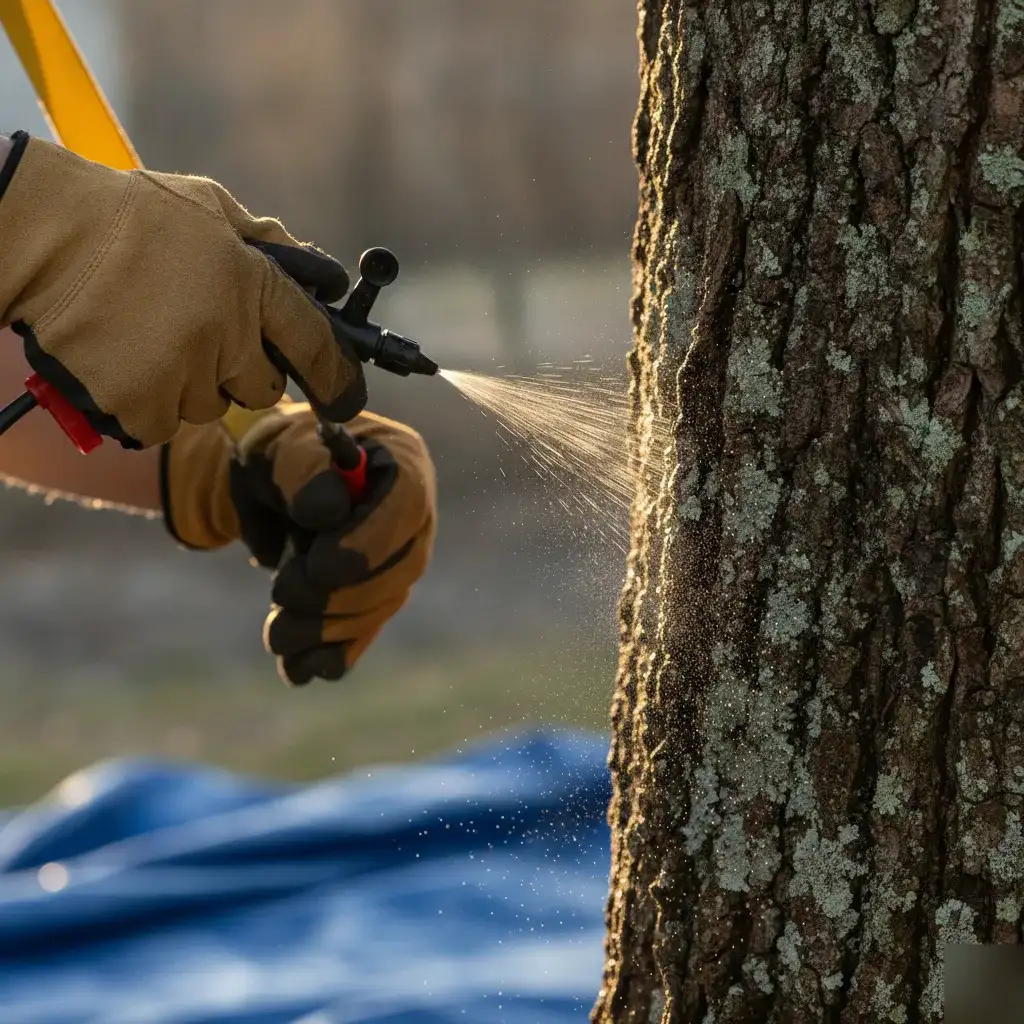
Tree health maintenance isn't just pruning and mulch. Half the job is catching problems before they turn into a removal bill. We're out on Denver properties every week looking at leaf color, bark texture, canopy thinning, the stuff most homeowners don't notice until it's bad.
Denver's ash trees are a real concern right now. Emerald ash borer has been confirmed in the metro area, and it kills trees fast once it's established. Thin canopy, D-shaped exit holes in the bark, woodpecker damage, these are the signs we check for on every ash tree we inspect. Catch it early and treatment can slow the damage. Wait too long, and removal becomes the only option.
It's not just ash trees. Colorado's dry stretches and heavy clay soil put a lot of stress on root systems along the Front Range. Stressed trees are an open invitation for bark beetles and fungal disease. We see Ips beetle activity spike on pines during hot, dry summers, and drought-stressed spruce trees pick up needle cast without much warning.
Our team's ISA-Certified Arborist background matters here. Diagnosis isn't guesswork, it's pattern recognition built over years of looking at the same problems.
Frequently Asked Questions
Common questions about tree health maintenance in Denver
How quickly can you get out to look at my tree in Denver?
We schedule most tree health visits within a few days of your call. If you're seeing fast decline, like a canopy that thinned out over just a few weeks, tell us that when you book. We move those visits up because quick spread usually means something is actively feeding on the tree or the roots are choking. Denver's weather swings hard between hot and cold, so timing matters more here than in milder climates.
What happens during a tree health assessment?
We walk your whole property, not just the one tree you're worried about. That means checking the canopy from a few angles, looking at the trunk for cracks or oozing, and inspecting the soil line for buried root flare or fungus. We also look at nearby trees, since shared root systems can spread stress between them. The whole visit usually takes less than an hour, and you'll get a clear answer about what's normal and what needs attention.
Why does my tree look stressed even though I water it?
Denver's clay soil is often the real problem, not lack of water. Clay holds moisture so tight near the surface that roots can't pull it down when they need it, so water runs off instead of soaking in. We see this constantly on visits, an owner who waters faithfully but still has a tree with thin, early-dropping leaves. Fixing it usually means adjusting mulch and helping water reach deeper roots, not adding more water on top.
How do I know if my tree just has normal fall color or is sick?
A tree changing color in September and dropping leaves on schedule is usually fine. A problem looks different: leaves dropping in June, dieback on one side while the rest stays green, or decline that's clearly getting worse week to week. That uneven pattern is the biggest red flag. If your tree leafed out fully this spring and the trunk looks solid, it's probably just having a normal seasonal year.
Should I be worried about emerald ash borer on my ash tree?
If your ash tree has a thinning canopy or bark that's splitting and peeling, it's worth having someone check for borer activity. Ash trees around Denver carry extra risk right now, and borer damage can look a lot like ordinary drought stress at first glance. The difference matters, because borer damage spreads fast and needs a different response than a tree that just needs better watering. An in-person look is the only way to tell them apart.
Related Arborist Services
Explore the rest of our arborist services across Denver and the surrounding metro.
Tree Trimming & Pruning
Proper pruning cuts that protect your property and keep trees structurally sound.
Tree Health Assessment
An on-site check of canopy, trunk, and roots to catch problems early.
Tree Treatment
Targeted treatment for the pests and disease that threaten Denver trees.
Crown Reduction
Reduce an overgrown canopy's size while keeping the tree's natural shape.
Deadwooding
Remove dead and dying limbs before they drop or spread decay.
Crown Thinning
Open a dense canopy so wind and light pass through and snow load drops.
Ready to Get Started?
Call (303) 949-6818 now for a free estimate. We answer immediately, any time of day.