
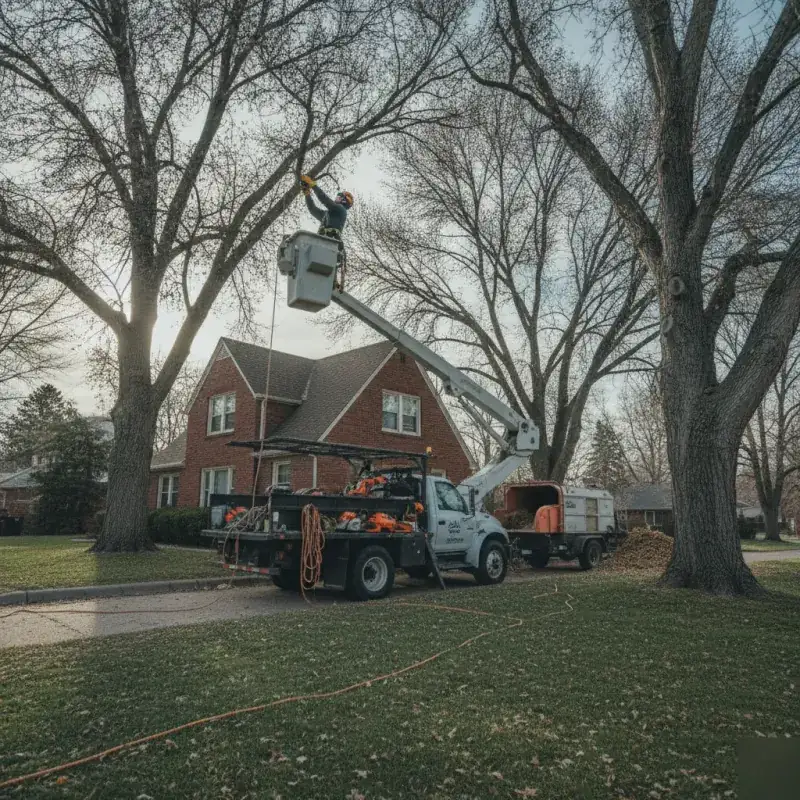
Arborist Service in Denver Trimming, Crown Care, Disease Treatment & Storm Assessments
Licensed, fully insured, and serving all of Denver and the surrounding areas.
Tree Trimming and Pruning for Denver Yards
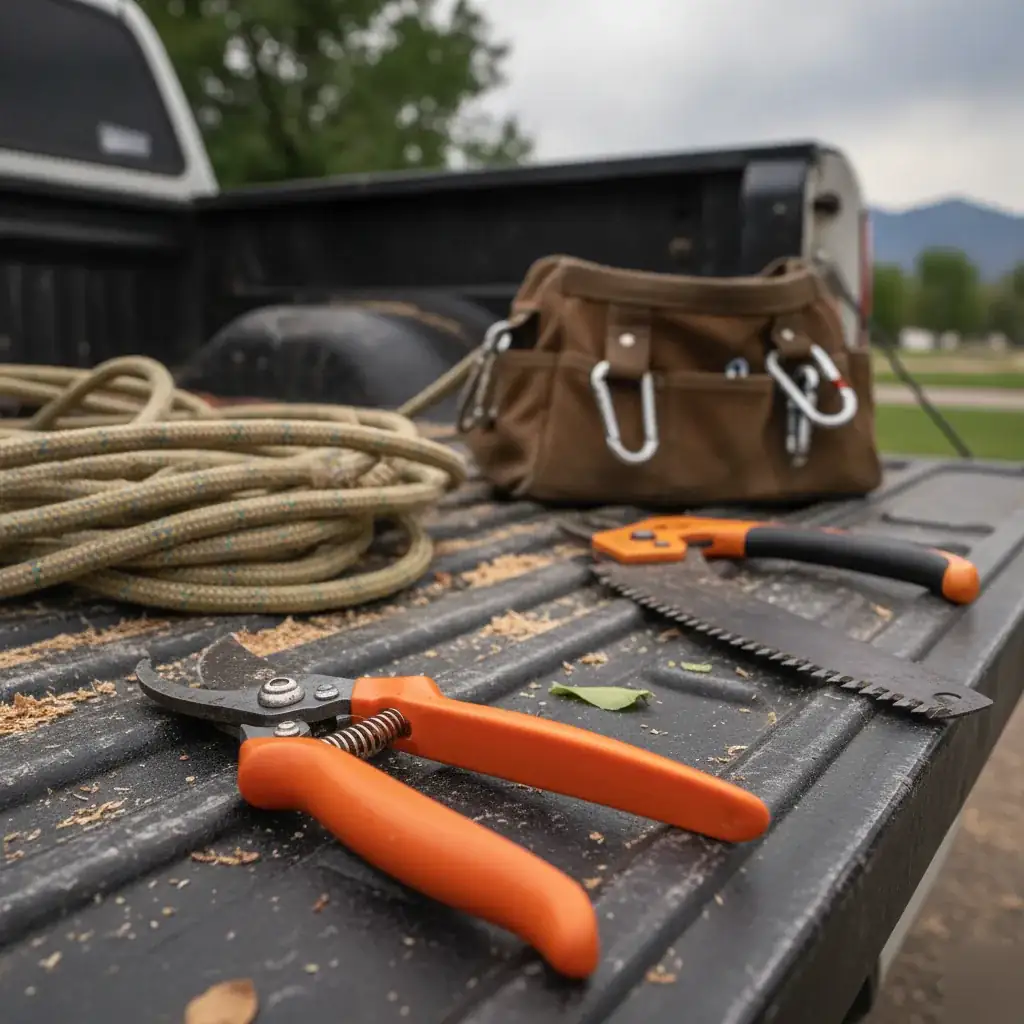
This is probably our busiest service, and there's a reason for it. Denver's dry summers and heavy spring snow put real stress on branches. Untrimmed trees drop limbs during those wet April storms, sometimes right onto a fence or a roof. Regular pruning keeps that from happening.
We trim for a few reasons. Sometimes a tree's grown into power lines near the sidewalk. Sometimes low branches are blocking a driveway in Washington Park or scraping a second-story window. And sometimes it's just about shape, an overgrown tree that's shading out the whole yard.
Good pruning cuts do more than clean things up. They:
- Remove weak or crossing branches before they fail
- Open up the canopy so air and light get through
- Reduce weight on limbs that snow tends to collect on
- Encourage stronger growth the following season
Timing matters here. Late winter works for most species in Denver, before buds break. But some trees need summer trims instead, it depends on the species and what you're trying to fix.
We've been climbing Denver trees for over 20 years, and every yard's a little different. The dedicated trimming page walks through our process and what a typical visit looks like.
Tree Risk Assessment After Storms
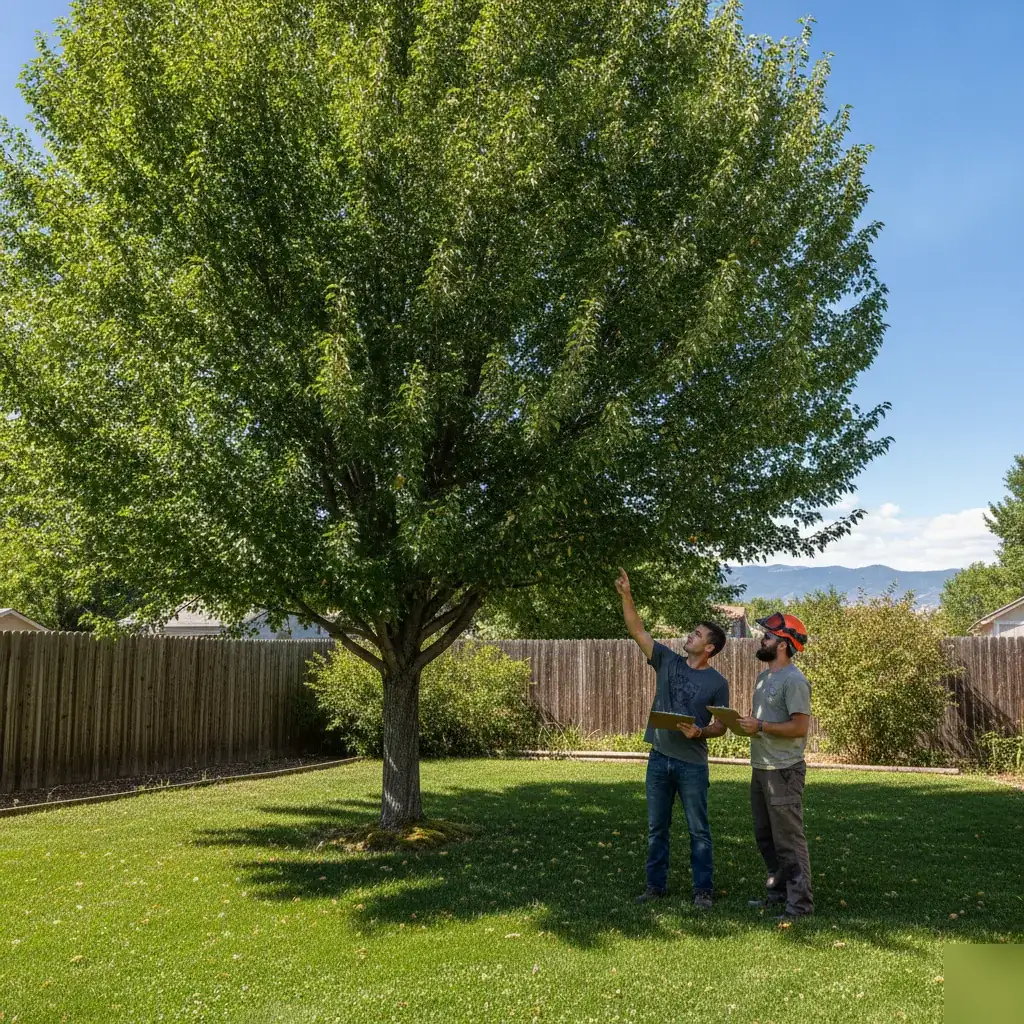
Denver storms hit fast. One minute it's calm, the next you've got hail, straight-line winds, or heavy wet snow bending branches you thought were solid. After weather like that, we get calls from folks who aren't sure if their tree is fine or one bad gust from coming down.
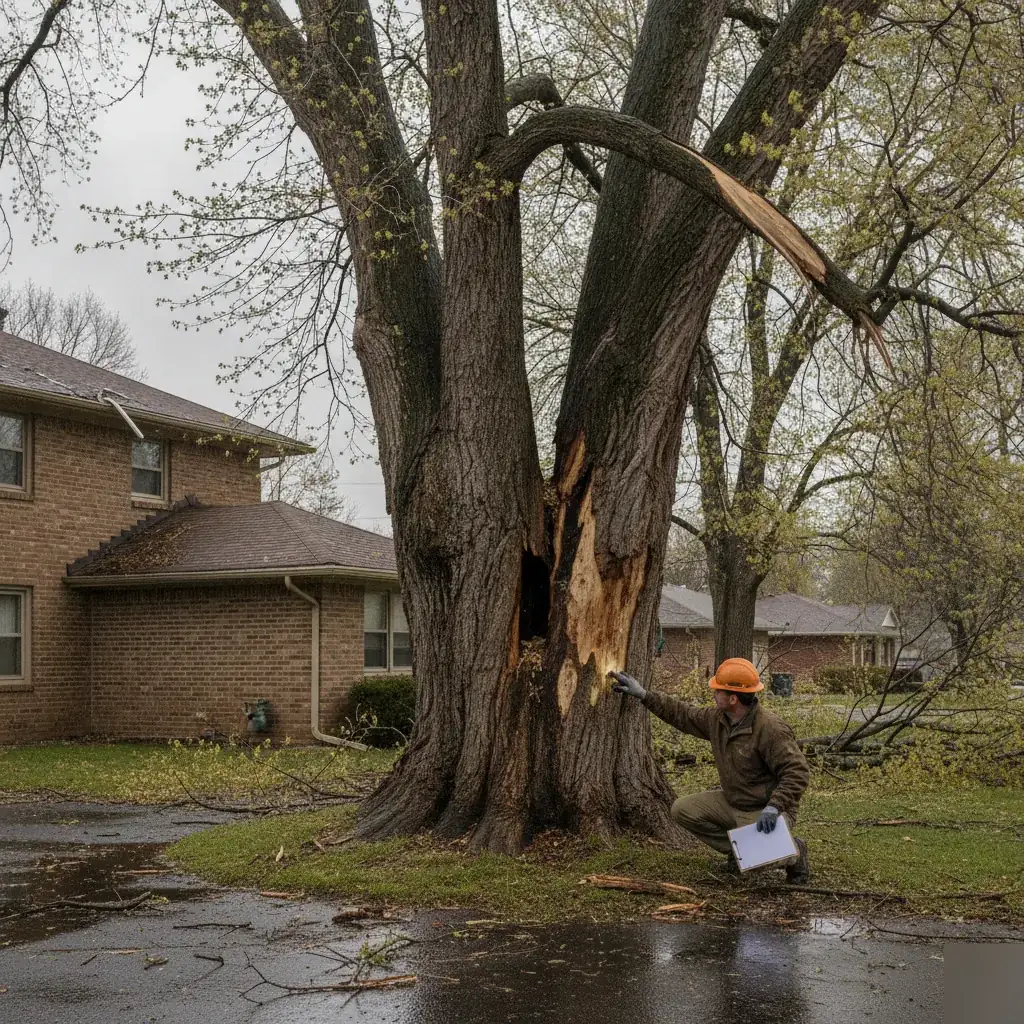
A risk assessment is us walking your property and checking the tree from the roots up. We look at the trunk for cracks, check root flare for heaving or soil lift, and study the canopy for hanging limbs or splits you can't see from the ground. And we've caught plenty of hidden problems this way, decay pockets and weak unions that looked fine until we got up close.
Watch for these signs after any big storm:
- Leaning that wasn't there before
- Cracked or split bark near the base
- Broken limbs stuck in the upper canopy
- Soil lifting on one side of the trunk
This isn't guesswork. We've assessed storm damage across Denver for over twenty years, and which trees recover and which ones become a liability. If you're unsure who to call, Denver's city forester keeps a list of licensed arborist contractor resources for property owners. If a tree fails on your property, it can take out a fence, a roof, or worse. So don't wait weeks to have it checked.
Tree Disease Treatment for Ash and Elm Trees
Ash and elm trees make up a huge chunk of Denver's urban canopy. That's a problem, because both species face serious disease pressure right now. Dutch elm disease has been working through older neighborhoods for years. Emerald ash borer showed up in Colorado back in 2013 and hasn't slowed down since.
We get more calls about this than anything else in late spring and early summer, when leaf-out reveals which trees made it through winter healthy and which didn't.
Signs your ash or elm needs attention:
- Thinning canopy or dead branches near the top
- Bark splitting in vertical strips
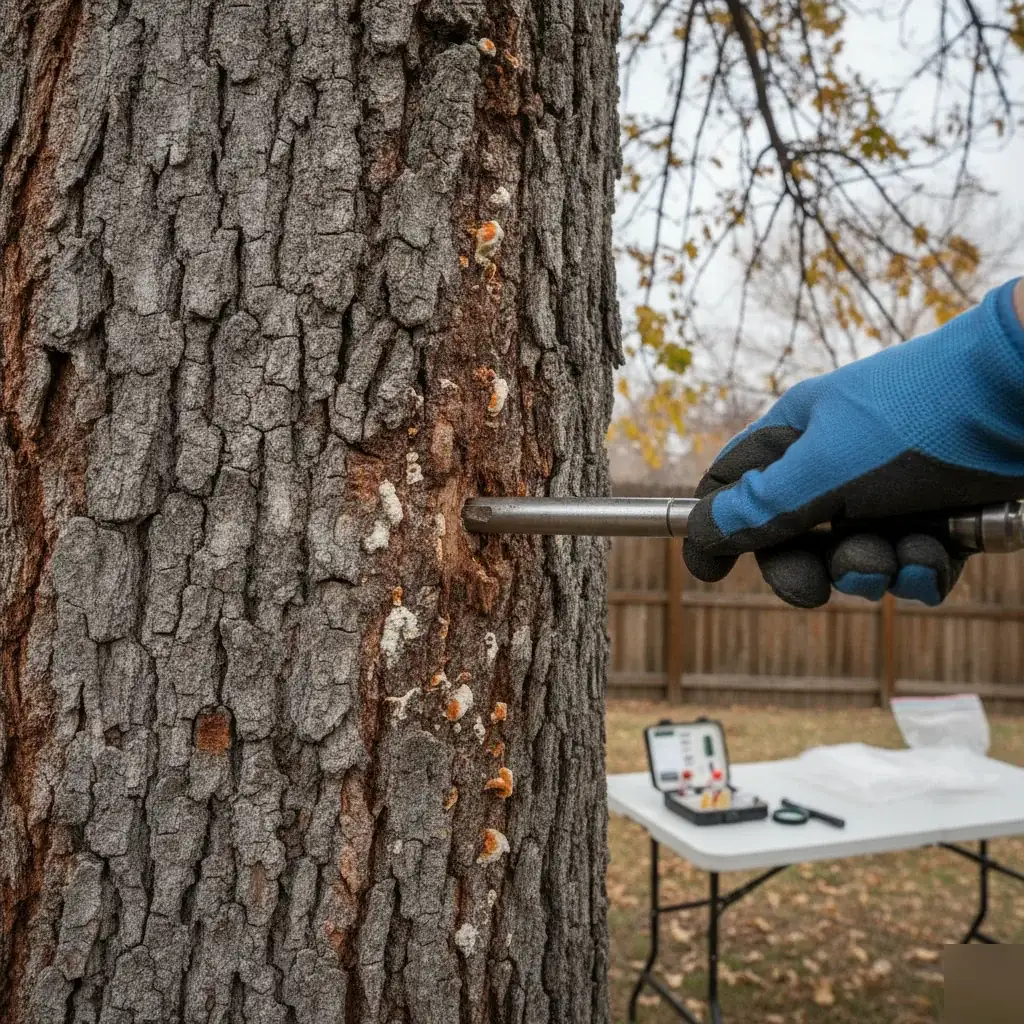
- D-shaped exit holes in the trunk
- Wilting leaves that curl before fall
- Sucker growth at the base
Treatment options depend on how far the disease has progressed. Early cases often respond to trunk injections or soil treatments. Advanced cases might need pruning to remove infected limbs before the problem spreads to healthy wood.
Homes near Washington Park have some of the oldest elms in Denver, and we treat several every season. Waiting rarely helps here. But a quick assessment can tell you exactly where your tree stands and what treatment makes sense for it.
Not sure what your arborist service project needs? Ask us.
Call (303) 949-6818Call now for a free estimate. Arbor Care Tree Solutions is ready to help.
Tree Health Maintenance for Long-Term Canopy Care
Denver's soil is tough on trees. Clay-heavy, alkaline, and stingy with water unless you're irrigating year-round. So trees here need more than a once-and-done trim. They need ongoing care that matches what our climate does to root systems and canopy over time.
Tree health maintenance is the long game. It's not one visit, it's a plan built around your tree's species, age, and site conditions.
- Soil testing and amendment for our alkaline clay soils
- Deep root fertilization timed to Denver's growing season
- Mulching to hold moisture during dry summer stretches
- Pest and stress monitoring before problems take hold
- Watering schedules built around our low humidity
I've walked properties in Washington Park where a single maple was struggling for three straight seasons, and it wasn't disease. It was compacted soil choking the roots. A maintenance plan caught it before we lost the tree.
See our dedicated tree health maintenance page for how we spot drought stress, pests, and early decline before it spreads.
Crown Reduction for Oversized Canopies
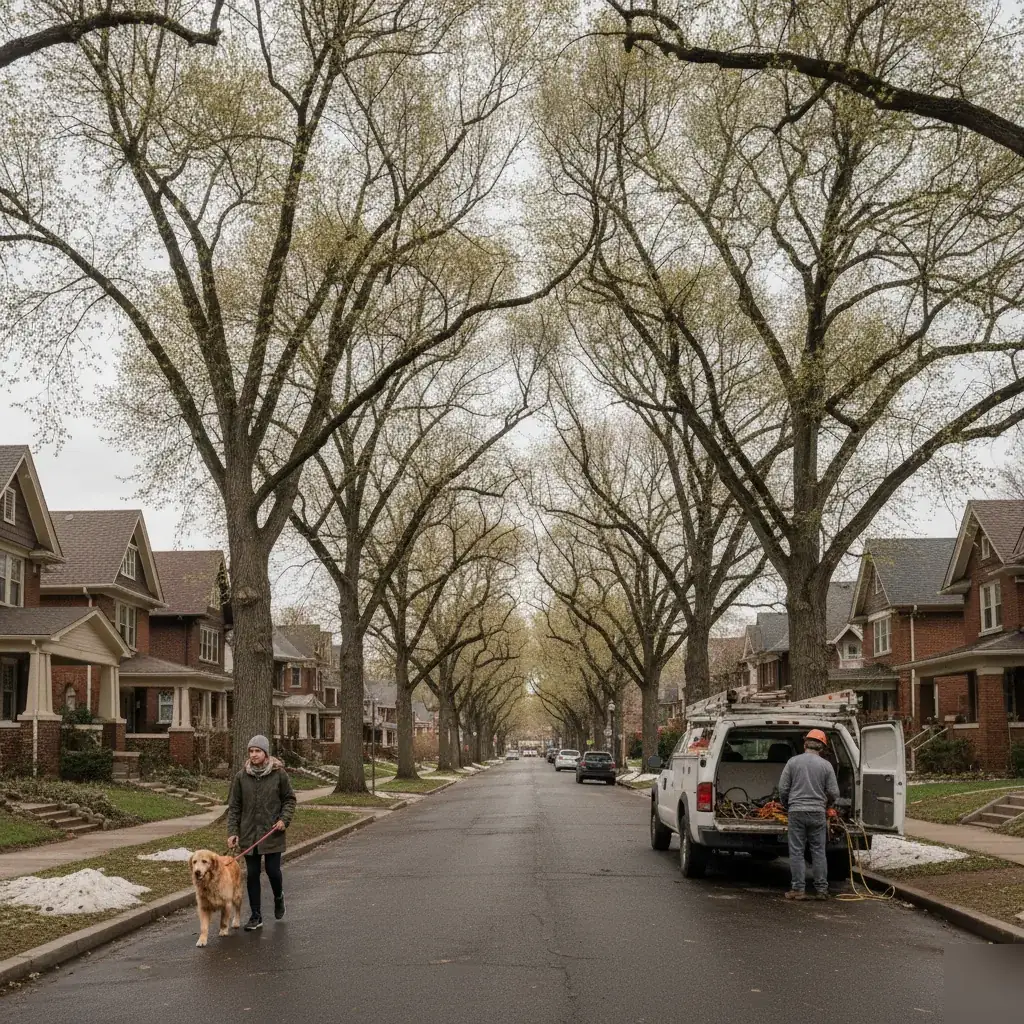
Some trees just outgrow their spot. A silver maple in a Washington Park backyard can push branches over the roofline in ten years flat. That's where crown reduction comes in. We cut back the outer branches to shrink the whole canopy, without hacking off the top or leaving stubs.
This isn't the same as topping a tree. Topping is a bad shortcut that weakens the structure and invites disease. Crown reduction works with the tree's natural shape, cutting at proper lateral points so it heals clean and keeps growing right.
You'll want this service if:
- Branches hang over your roof, deck, or power lines
- The tree feels top-heavy or lopsided after storms
- You're trying to keep a big tree from shading out your whole yard
- A recent Denver windstorm left you nervous about what's overhead
I've walked plenty of yards in Denver where a crown reduction saved a tree that homeowners assumed had to come down. Cutting size down doesn't mean cutting corners, either. We size every cut to the branch's diameter and the tree's species, because a reduction done wrong stresses the tree more than doing nothing at all.
The dedicated crown reduction page walks through how we decide how much to take off and why timing matters more than most people think.
Crown Thinning for Dense Canopies
Crown thinning removes select branches throughout the canopy to let air and light pass through. It's different from crown reduction. We're not making the tree smaller, we're making it less crowded inside.
Denver's older neighborhoods like Park Hill and Washington Park have a lot of mature silver maples and elms with thick, layered growth. Dense canopies catch wind like a sail. And that's a real problem during our spring windstorms, when gusts off the Front Range hit 50 or 60 miles an hour. A thinned crown lets wind move through instead of pushing against it.
Here's what usually pushes homeowners to call us for this:
- Branches rubbing or crossing inside the canopy
- Grass or garden beds struggling under heavy shade
- A tree that feels "top heavy" or leans after storms
- Interior deadwood building up from lack of sunlight
I've climbed enough Denver trees to know a poorly thinned crown does more harm than good. Over-thinning stresses the tree and invites sunscald on thin bark species. We remove branches in a pattern that keeps the tree balanced, not stripped. This work takes an eye trained on how each species responds, not just a saw and a ladder.
The dedicated crown thinning page covers how we decide what to remove and why timing ahead of Denver's spring snow matters.
Ready when you are — get in touch today.
Call (303) 949-6818Call now for a free estimate. Arbor Care Tree Solutions is ready to help.
Deadwooding for Safety and Storm Prep
Dead branches don't creak and warn you before they drop. They just let go. And in Denver, that's a real problem, our freeze-thaw cycles crack limbs from the inside out long before you ever see it on the outside.
Deadwooding means we go through your tree and cut out the dead, dying, or diseased wood. Nothing else gets touched. This is different from crown thinning, we're not shaping the tree here, we're removing hazards.
Here's when we get called for this most:
- After a spring hailstorm rolls through Washington Park and snaps small branches loose
- Before a big wind event, since dead limbs are the first thing to fail
- When you notice bark falling off in patches or branches with no leaves in summer
- Ahead of selling a home, since inspectors flag dead wood over walkways
I've climbed trees in Cherry Creek where the dead wood was invisible from the ground but obvious once you're up in the canopy. That's the value of having someone trained look closely.
Leaving dead branches up is asking for a call to your insurance company. Get it cleared out before the next storm, not after.
Frequently Asked Questions
Common questions about arborist service in Denver
Do you serve all of Denver, including neighborhoods like Washington Park?
Yes, we work across all of Denver, from Washington Park to the surrounding neighborhoods. We climb trees on residential lots, near driveways, and along property lines throughout the city. Response times can vary based on storm activity, since severe weather often brings a rush of calls. If a tree looks unstable, call us right away so we can get you on the schedule fast.
What should I do if a tree is growing into power lines?
Call an arborist instead of trimming it yourself. Trees near power lines are common in older Denver neighborhoods with narrow sidewalk strips and mature canopies. Cutting branches near live wires is dangerous and can also damage the tree if it's done wrong. We handle this kind of trimming safely and can tell you if the growth pattern will keep causing problems.
How do I know if my tree needs trimming or a crown reduction?
Trimming fixes small problems like low branches or minor overgrowth. Crown reduction is for trees that have outgrown their space, with branches hanging over a roof or leaning heavy after storms. If your tree feels top-heavy or you're worried about weight over your house, ask for a crown reduction assessment instead of a standard trim.
Should I get my tree checked after a storm even if it looks fine?
Yes, hidden damage doesn't always show from the ground. Denver storms bring hail, wind, and heavy snow that can crack a trunk or loosen roots without visible signs. We check the base, root flare, and upper canopy for cracks or splits you can't see. Waiting weeks to have it looked at raises the risk of a limb or whole tree coming down.
How do I know if my ash or elm tree is sick?
Watch for thinning leaves, bark splitting in strips, or small D-shaped holes in the trunk. Ash and elm trees make up a large share of Denver's older neighborhoods, and both face serious disease pressure right now. Early treatment works better than waiting, so get it checked as soon as you notice any of these signs on your tree.
When should I call an arborist instead of handling a tree issue myself?
Call an arborist any time a tree is near a structure, power line, or shows signs of disease or damage. Denver's clay soil and storm patterns make tree problems harder to judge than they look. A quick assessment tells you exactly what's wrong and what treatment or trimming actually fixes it, instead of guessing and risking bigger damage later.
Our Arborist Services
Explore the rest of our arborist services across Denver and the surrounding metro.
Tree Trimming & Pruning
Proper pruning cuts that protect your property and keep trees structurally sound.
Tree Health Assessment
An on-site check of canopy, trunk, and roots to catch problems early.
Tree Treatment
Targeted treatment for the pests and disease that threaten Denver trees.
Crown Reduction
Reduce an overgrown canopy's size while keeping the tree's natural shape.
Deadwooding
Remove dead and dying limbs before they drop or spread decay.
Crown Thinning
Open a dense canopy so wind and light pass through and snow load drops.
Tree Health Maintenance
Ongoing care that spots drought stress, pests, and decline before it spreads.
Ready to Get Started?
Call (303) 949-6818 now for a free estimate. We answer immediately, any time of day.